
Look upward
Check whether shelves, hanging organizers, or stacked storage could use the vertical height already available.
Storage & Space-Saving Tips
Better storage is not always about adding more containers. It is about using the space you already have more deliberately—vertically, underneath, inside, behind, and between the places everyday items naturally collect.

Start with a space audit
The most effective space-saving changes usually come from spotting areas that are underused: tall shelves, awkward corners, drawer depth, cabinet doors, empty wall space, or the gap beneath furniture.
Check whether shelves, hanging organizers, or stacked storage could use the vertical height already available.
Beds, benches, cabinets, and low furniture often hide valuable space for lower-frequency items.
Drawer dividers, cabinet organizers, and shelf risers can create order without adding another piece of furniture.
Keep frequently used items closest to the action and move backups or seasonal items farther away.

Use the height of the room
Many rooms run out of floor area before they run out of height. Shelves, hanging organizers, stackable containers, and taller storage zones can increase capacity without making the room feel more crowded at eye level.
Use the easiest-to-reach shelves for things you touch most often.
Upper shelves are ideal for low-frequency clothing, bedding, or backup household supplies.
Add shelf organizers or secondary hanging levels where long garments are not required.
Build smarter storage zones
Space-saving becomes easier when each category has a storage form that fits the way the items are used.
Use these to add structure inside wardrobes and convert open vertical space into smaller, usable zones.
Group dry goods, snacks, and restocking categories so shelf depth stays easy to scan and use.
Use the interior of existing furniture more efficiently before adding freestanding storage.
Move bulky or seasonal textiles out of visible living areas while keeping them easy to retrieve.
Keep the work surface clear by separating current-use tools from stored documents and technology accessories.
Choose mobile or flexible storage where supplies need to move between rooms or change with the task.

Think in layers
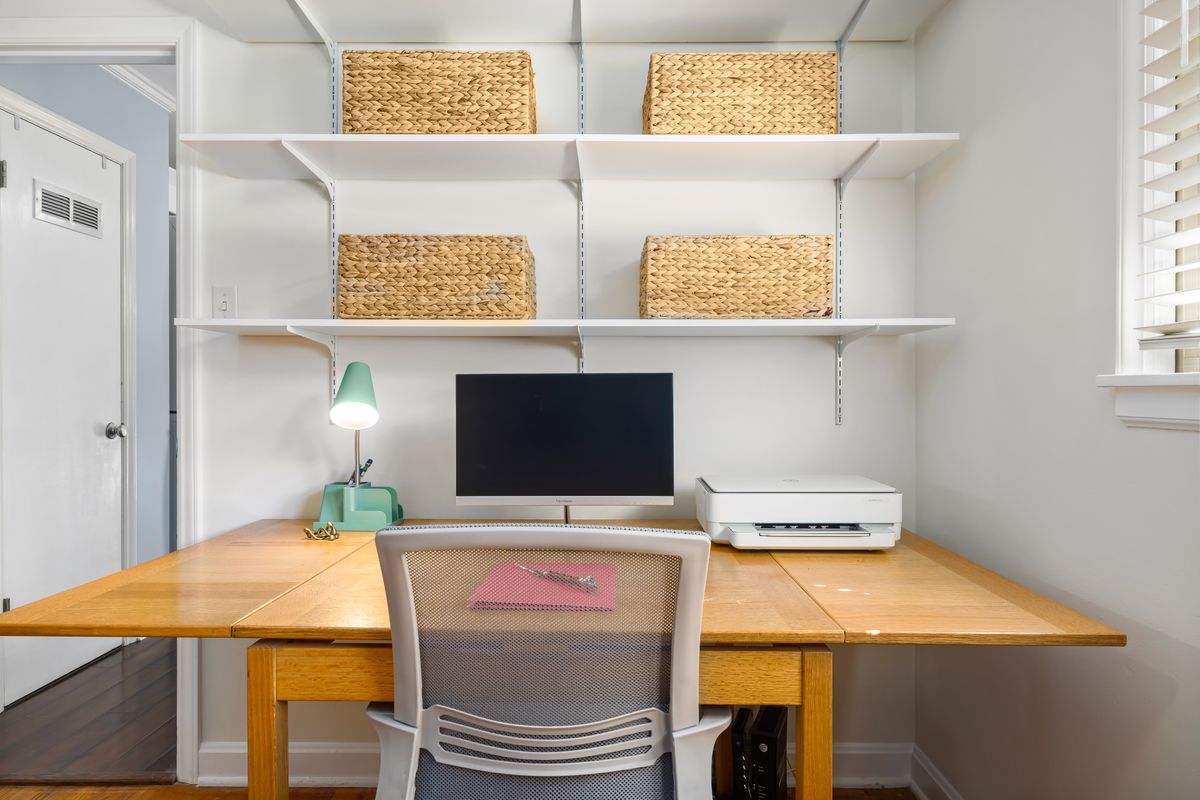
When floor or shelf width is limited, build upward with stable, clearly grouped layers. Stackable bins, shelf risers, and baskets can multiply usable capacity while keeping each category visually distinct.
Keep weight closer to the floor and lighter, occasional-use items above.
Keep grouped contents predictable so you do not need to empty one container to find another.
Leave enough visual separation between categories so the system remains easy to scan.
Small-space strategy
Small rooms feel larger when visible surfaces are protected. Move secondary items into drawers, shelves, wall storage, or compact baskets, and keep only the tools needed for the current task within immediate reach.
Prioritize wall, corner, and vertical storage before using more floor area.
A shelf, cart, or bench can support more than one routine when categories remain clearly separated.
Keep one active item accessible and move backup stock into secondary storage.

Bathrooms and utility zones
Bathrooms and laundry areas become crowded quickly because small daily-use items sit beside bulky backup stock. Keep the current routine visible and move refills, spare towels, detergent, and cleaning supplies into dedicated secondary storage.
Group small items so shelves read as a few organized zones instead of dozens of separate objects.
Backup toiletries and cleaning supplies are easier to track when stored in one reserve zone.
Every daily-use item should have a clear return position after the routine is finished.
Quick space-saving rules
A compact room does not need an extreme organizing system. A few consistent decisions usually create the biggest difference.
Daily-use items deserve the easiest access, even when a less-used item technically belongs in the same category.
A little open capacity helps a system absorb new items without immediately becoming crowded.
When a category outgrows its space, edit the category before automatically adding more storage.
Countertops, desks, nightstands, and entryway tops feel calmer when only the current routine remains visible.
Smart savings for organized living
Start with the room that creates the most friction, then expand gradually. TidyMorrow keeps the shopping experience simple with free shipping, clear delivery timing, and automatic savings where applicable.

Need help choosing a storage direction?
Our support team is available 24/7 for questions about storage categories, products, orders, shipping, returns, exchanges, or choosing an organization solution for a particular room.
