
Edit by room
Remove duplicates, damaged items, expired supplies, and anything you already know does not belong in the next home.
Moving & New Home Guide
Moving is the rare moment when every object in the home is already in transition. Use that reset to create clear storage zones, unpack in the right order, and build routines that are easier to maintain before clutter has a chance to settle in.

The moving timeline
A smoother setup begins before moving day. The goal is to reduce what travels, make each box easy to place, and protect the essentials you will need before the rest of the home is unpacked.
Remove duplicates, damaged items, expired supplies, and anything you already know does not belong in the next home.
Group items that belong to the same routine so they can be unpacked together rather than redistributed later.
Move every box to its destination room first. This keeps the entryway clear and prevents unnecessary carrying.
Watch how the new rooms are used, then choose storage zones around natural reach, visibility, and frequency.
Pack with the next home in mind
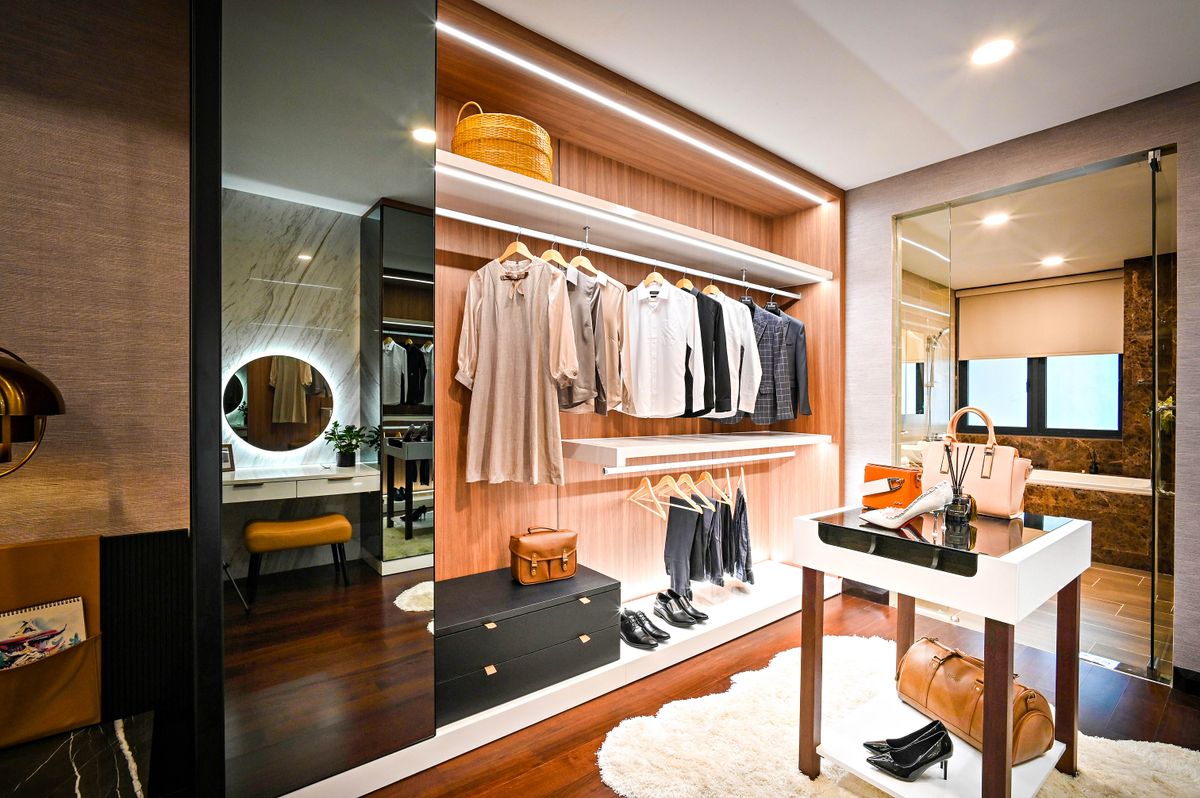
Packing is the best time to reduce volume because every item is already being handled. Edit one room at a time, then pack remaining belongings according to the routine they support rather than simply the shelf they came from.
“Bedroom · everyday clothing · open first” is far more useful than “bedroom box 4.”
Pack coffee supplies, desk setup, shower essentials, or laundry tools as functional groups.
Wait until you know the new shelf, drawer, cabinet, or closet dimensions before building the final storage system.
First 24 hours
A new home feels calmer when basic routines work immediately. Focus on sleep, hygiene, food, charging, and a clear path through the space before decorative unpacking begins.
Make beds, place bedside essentials, and unpack one change of clothing before opening lower-priority bedroom boxes.
Set up towels, toiletries, toilet paper, and shower items so the first evening does not depend on searching through boxes.
Unpack drinking glasses, a few plates, utensils, coffee or tea, and simple meal essentials before the full pantry.
Create one charging area for phones, laptops, and essential electronics so cables do not spread across the new home.

Build the pantry around use
The pantry is easier to organize while it is still mostly empty. Decide where breakfast, snacks, cooking staples, spices, beverages, and backup supplies should live before placing individual items.
Prime shelf space should support daily use, not long-term backup stock.
Pantry bins and food storage help keep similar items from drifting across the shelf.
A little open capacity prevents the pantry from becoming crowded after the first grocery trip.

Control what enters the home
The entryway sets the daily flow of the home. Give shoes, bags, keys, mail, and outerwear a clear landing place immediately so the first few weeks do not establish habits that are harder to undo later.
Keep current pairs accessible and move seasonal or low-frequency footwear into secondary storage.
Keys, wallets, and small daily items should have one predictable place near the door.
Keep floor storage narrow and intentional so the entrance stays clear even on busy days.
Room setup order
Finish the spaces that support daily routines first. A few functional rooms create more calm than having every room half-unpacked at once.
Set up sleep, bedside essentials, daily clothing, and under-bed storage before decorative details.
Separate daily toiletries from refills and give towels, shower items, and backups defined zones.
Build meal-prep and restocking zones, then place containers, spices, beverages, and cabinet essentials.
Create landing zones for daily arrivals, then organize soft storage and frequently used living-room items.
Set up the work surface, active documents, device charging, and cable management before archives.
Finish with carts, bins, cleaning supplies, seasonal items, and adaptable multipurpose storage.

Keep the room restful
Bedrooms settle faster when the visible surfaces stay simple. Keep current clothing and bedside essentials easy to reach, while seasonal bedding, spare linens, and lower-frequency items move into under-bed or soft storage.
Limit bedside storage to the small group of items used at the beginning and end of the day.
Keep seasonal textiles or backup bedding grouped instead of using the space as random overflow.
Do not fill every shelf immediately; open space makes future routines easier to adjust.

Create focus before filing
If the home includes a workspace, get the desk functional early. Establish the device setup, current documents, charging area, and essential tools first, then decide where archives and spare technology should live.
Current documents should not disappear into the same storage used for long-term records.
Set up cable and technology organization before cords spread across the new workspace.
A useful desk needs enough open surface for the work itself, not only storage.
Make recurring chores easier
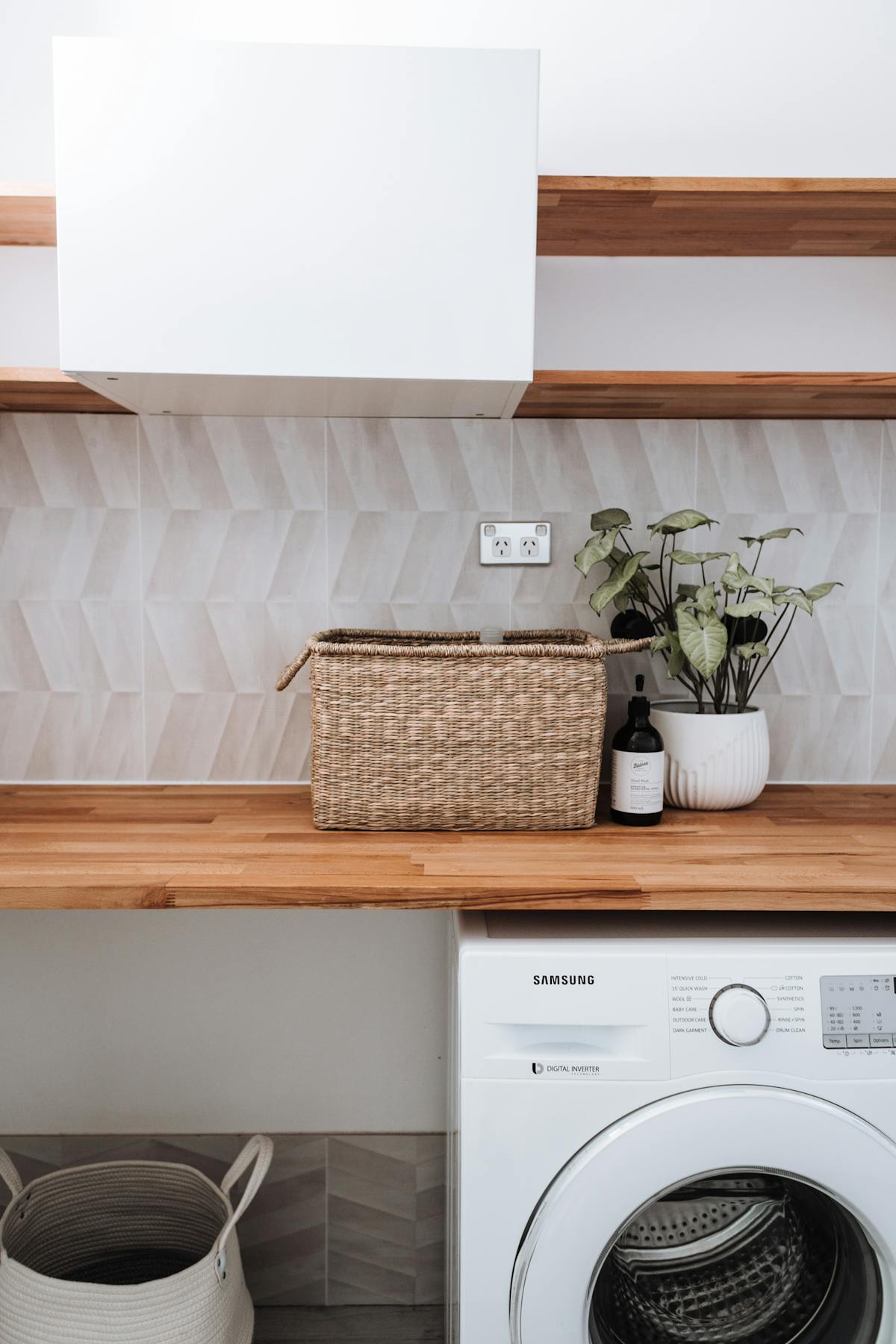
Laundry and utility storage work best when sorting, washing, drying, folding, and supplies follow a clear sequence. A new home gives you the chance to set that flow before the area becomes a general catch-all.
Keep one working set of detergent and stain care close, with refills stored together elsewhere.
Laundry hampers and sorting storage should sit where clothing naturally enters the routine.
Use bins or carts for cleaning and household supplies instead of allowing them to spread across shelves.
The first seven days
Do not rush to finalize every drawer and shelf on day one. Live in the space long enough to notice where items are naturally used, where clutter begins to gather, and which routines need better support.

Support for the new setup
TidyMorrow brings together closet, pantry, bathroom, laundry, bedroom, living, office, cable, and utility organization so you can solve the spaces that matter most as the new home takes shape.
Need help organizing the new home?
Our support team is available 24/7 for questions about storage categories, products, orders, shipping, returns, exchanges, or choosing organization solutions for a particular room.