
Keep one active layer
Only the items currently in use need the easiest access. Backups can move into secondary storage.
Room-by-Room Ideas
The easiest way to organize a home is to solve one room at a time. Start with the space that creates the most daily friction, then build simple storage zones around the way that room is actually used.

Choose the room
Each room needs a different type of order. These quick ideas focus on access, visibility, frequency, and the easiest way to return the space to calm after normal daily use.
Give hanging clothes, folded pieces, shoes, and accessories separate visual zones.
Room 02Organize around meal prep, restocking, shelf visibility, and everyday reach.
Room 03Separate daily essentials from refills, towels, cleaning supplies, and laundry tasks.
Room 04Capture everyday arrivals, shoes, bags, throws, and small items before they spread.
Room 05Protect the desk surface by separating active work, documents, cables, and devices.
Room 06Use carts, bins, and flexible zones for supplies that move between tasks or rooms.
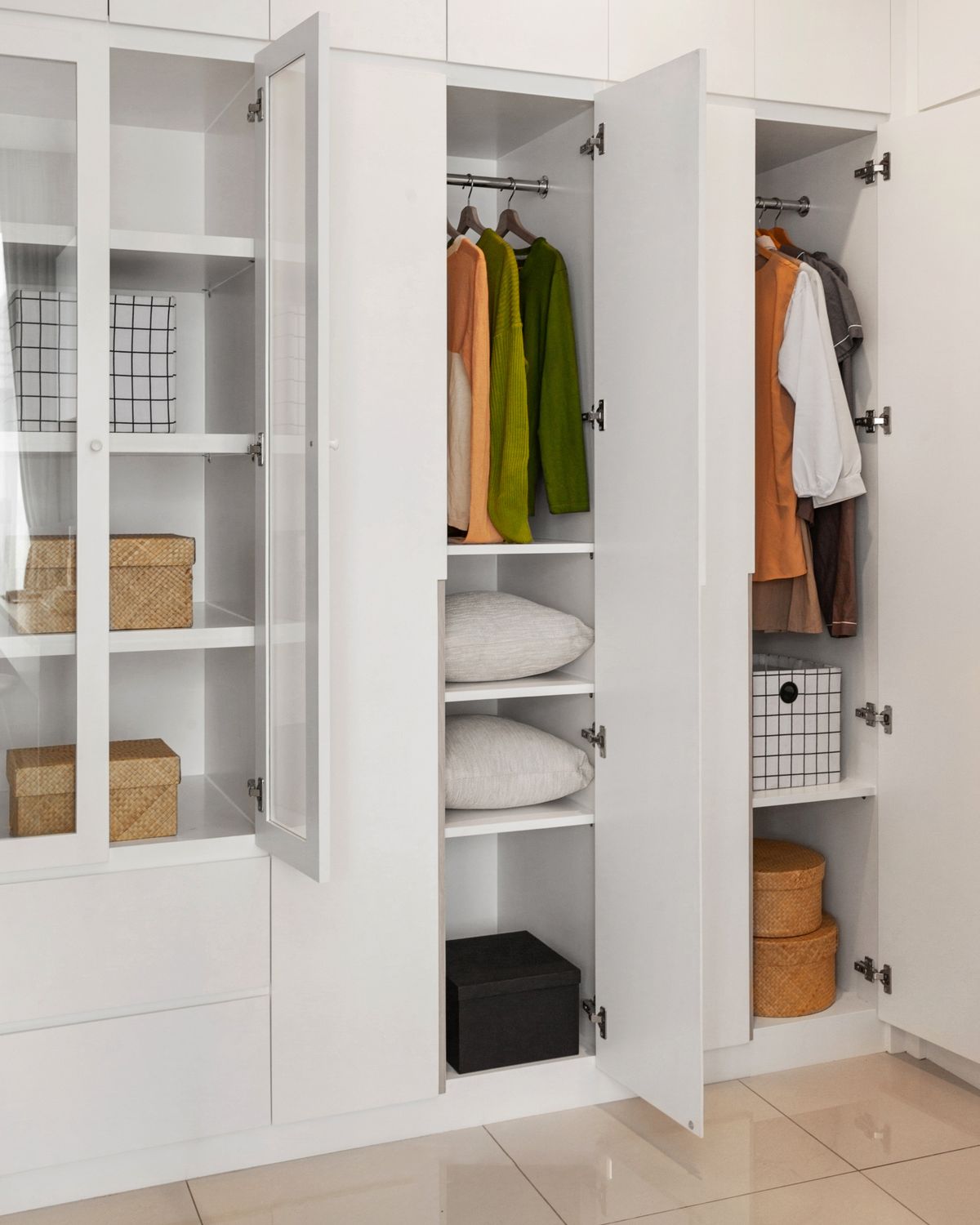
Closet & wardrobe
Treat the closet like a vertical map. High shelves hold seasonal pieces, the middle zone holds everyday clothing, lower shelves support shoes and bags, and small organizers keep accessories from disappearing into the background.
Smaller compartments prevent folded clothing and accessories from collapsing into one large stack.
Visible, consistent placement makes the closet faster to use and easier to reset.
Space-saving storage works best when daily pieces keep the easiest positions.

Kitchen & pantry
A kitchen works better when ingredients, snacks, beverages, spices, and backup stock have visible boundaries. Group by use, keep everyday essentials near eye level, and let containers create structure without overcrowding the shelf.
Breakfast, snacks, baking, beverages, and cooking staples are easier to maintain when grouped by use.
Seeing quantity at a glance helps with restocking and prevents forgotten pantry items.
Use organizers to keep tools close to the task rather than simply grouped by size.
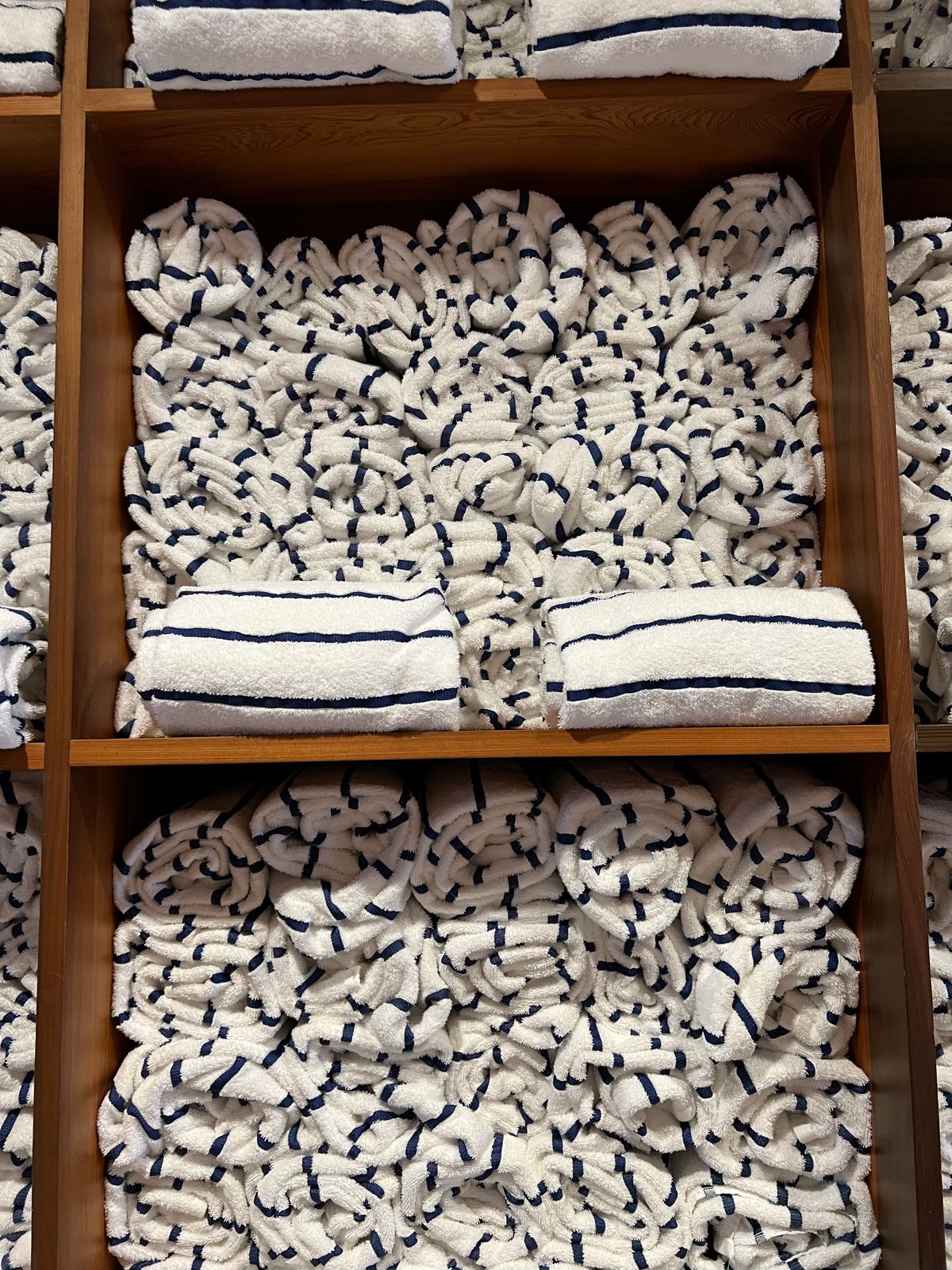
Bathroom & laundry
The quickest way to reduce bathroom and laundry clutter is to keep only current-use items in the most accessible positions. Refills, spare towels, extra toiletries, detergent, and cleaning supplies can live in secondary zones.
Keep the items used every morning and evening easy to return after the routine.
Consistent stacks use the shelf efficiently and create visual calm without extra containers.
Sorting, detergent, stain care, and backup supplies work better when grouped around the laundry sequence.
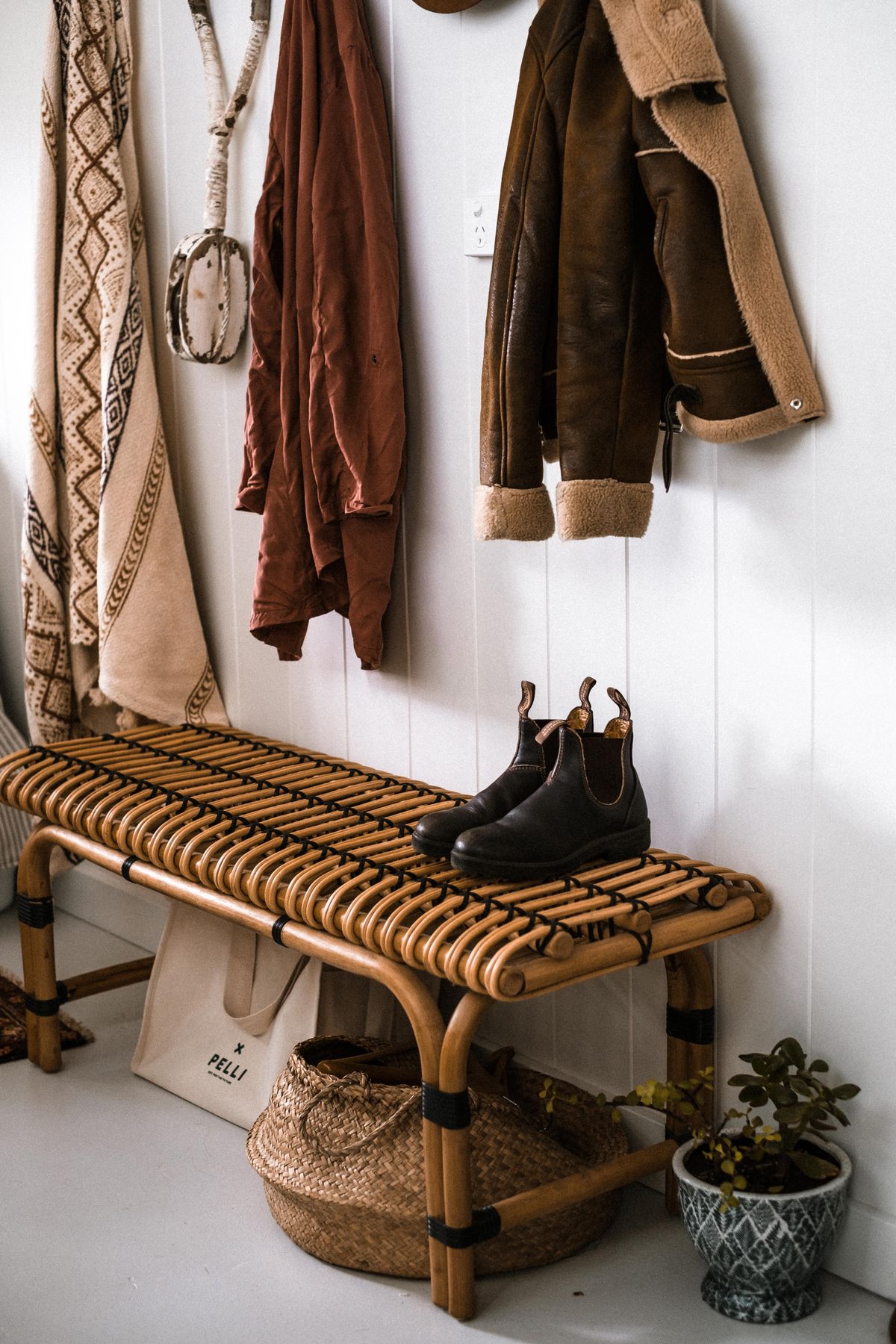
Living room & entryway
Entryways and living rooms are transition spaces, so they collect whatever comes in and out of the home. A small number of intentional drop zones can keep bags, shoes, mail, throws, and everyday objects from spreading through the room.
Use a basket, bench, hook area, or tray for the items that enter and leave the house every day.
Blankets, toys, and flexible household items can disappear quickly into baskets without becoming hard to reach.
Keep coffee tables, consoles, and side tables available for living rather than long-term storage.
Small ideas with a large effect
A home does not need one giant organizing project. Consistent small decisions can create more visible change than adding storage everywhere at once.
Only the items currently in use need the easiest access. Backups can move into secondary storage.
Before adding furniture, check whether shelves, hanging organizers, or stackable storage can increase capacity.
A slightly underfilled shelf or bin is easier to use and easier to maintain than one packed to the limit.
Putting five items back into five clear zones is easier than returning them to one undefined storage area.

Office & technology
A workspace feels more focused when the active surface stays clear. Move stored documents, spare accessories, chargers, and cables into dedicated zones while keeping only current work and essential tools within immediate reach.
Current documents should be easy to reach; stored records should leave the main work surface.
Use cable and technology organizers to reduce loose cords across the desk and floor.
Keep books, office tools, and storage grouped by purpose so open shelving stays easy to scan.

Utility & multipurpose
Utility areas often support cleaning, repairs, crafts, seasonal supplies, and other changing needs. Carts, bins, and clearly labeled task zones make it easier to adapt without letting the whole space become one catch-all area.
Items used together should be stored together, even when they are technically different product types.
A cart can keep cleaning, craft, or household supplies organized while moving between rooms.
Open capacity makes it easier for the system to absorb seasonal or temporary storage needs.

Kids, guest & flexible rooms
Shared and changing rooms need simpler organization, not more complicated organization. Use broad categories, easy-reach baskets, and low-friction storage so toys, linens, guest essentials, or mixed household items can return to order quickly.
Simple groupings are easier to maintain than highly specific sorting systems.
The easier the return path, the more likely the room is to stay organized.
A dedicated area for spare linens or essentials makes flexible rooms easier to prepare without disrupting everyday storage.
A simpler experience around every room
TidyMorrow supports a room-by-room approach with clear shipping, delivery, returns, and customer support so you can focus on the spaces that matter most.
Need help choosing a room to start with?
Our support team is available 24/7 for questions about products, storage categories, orders, shipping, returns, exchanges, or choosing an organization solution for a particular room.